
Neuro-inclusive workplaces are becoming the new standard, with office fit out playing a central role.
By prioritising cognitive diversity, organisations are seeing real improvements in performance, wellbeing, and future readiness.
Workplace wellness has changed a lot in the last few years. It’s not just about gym memberships or the occasional “wellness day” anymore. Good business leaders now see the workplace itself as a critical driver of culture and success. The most forward-thinking companies are putting neuro-inclusion at the centre of their office design decisions.
At Trend Group, this approach isn’t new. But lately, our clients are asking about it more directly than ever before: “How do we make sure our space works for every mind, not just the majority?” The answer lies in intentional, neuro-inclusive office fit out, where every design choice fits a wider range of working styles and cognitive needs.
What a neuro-inclusive workplace means in office fit out
A neuro-inclusive workplace uses office fit out solutions that support the full range of how people think, process information, and interact. It doesn’t mean making special rooms tucked away for a few people with official diagnoses. It’s about raising the standard for everyone.
When we talk about neurodiversity, we mean the natural variety in how our brains work—covering conditions like ADHD, autism, dyslexia, and even differences in sensory sensitivities or the way people manage focus and attention. Around 25% of the global population is thought to be neurodivergent. But the impact of better design reaches much further than just those individuals. Many people crave quieter spaces, choices in where and how they work, and environments that don’t feel overwhelming.
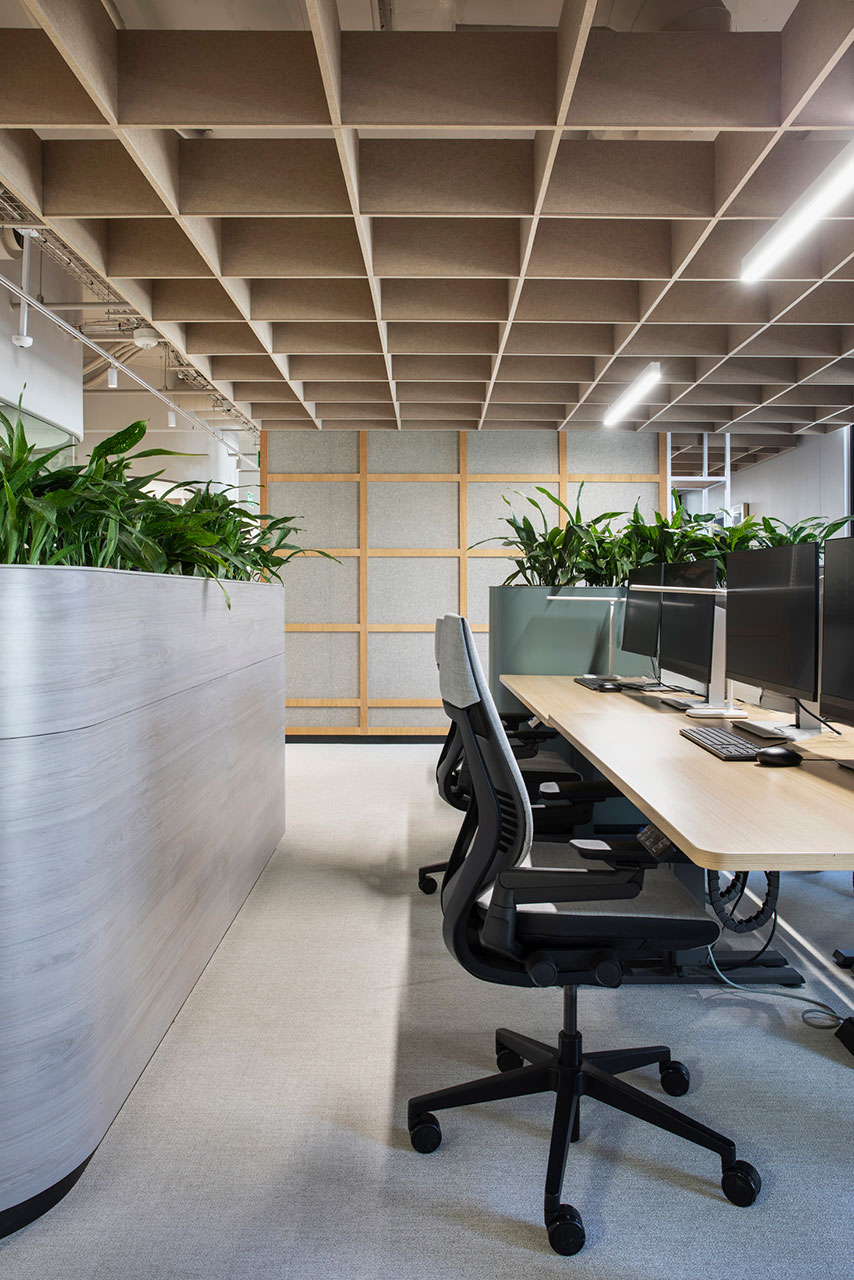
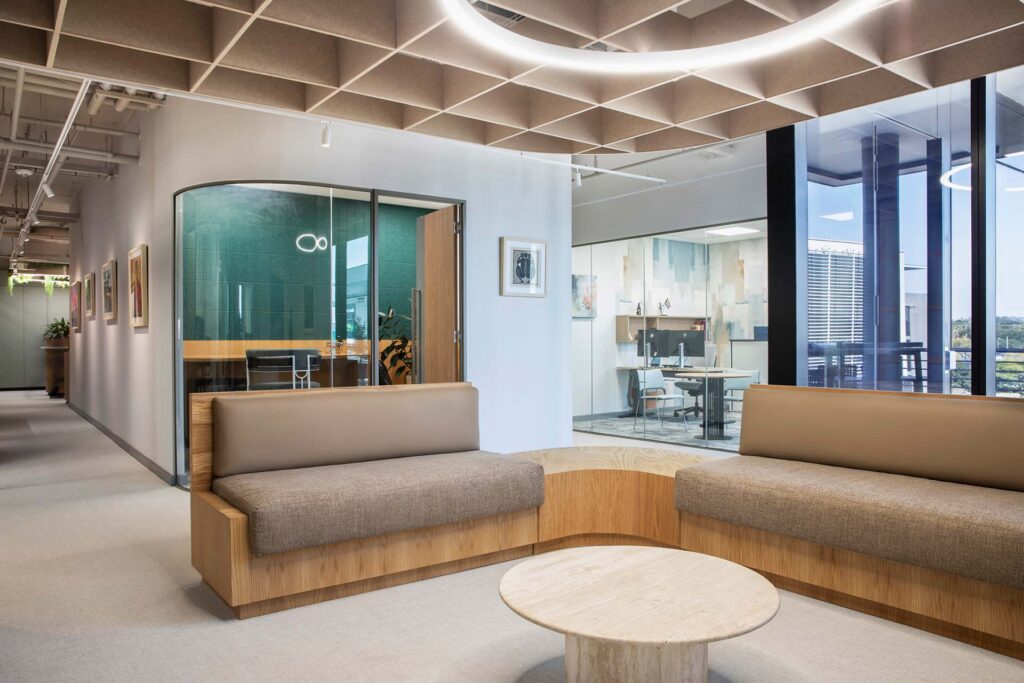
In our office fit out work at Trend Group, we often find that things like high-focus rooms, calming materials, and clever acoustic zoning help everyone—not just neurodivergent staff—do better, happier work.
The business case: Why cognitive diversity makes organisations stronger
Recognising cognitive diversity isn’t just an HR trend. It directly impacts organisational goals, from productivity to innovation and retention. Neuro-inclusive design is proven to bring:
- Higher productivity—teams with neurodiverse members can be up to 30% more productive
- More innovation and better problem-solving—different perspectives spark new ideas
- Lower burnout and turnover—workplaces with choices and sensory comfort reduce stress and fatigue for everyone
- A wider talent pool—especially as organisations move toward skills-based hiring, which values strengths over rigid job descriptions
A thoughtfully designed workplace is a visible sign of respect. We’ve seen, time and again, that businesses investing in wellness, ergonomics, and office fit out keep their best people longer. According to a recent study, intentional design leads to higher staff retention because, simply, it shows people matter.
At Trend Group, we use office fit out not just as a way to refresh an office, but as a tool for unlocking workforce potential.
Key principles of neuro-inclusive office fit out
The most effective neuro-inclusive workplaces offer choices, control, and comfort—starting with how the office is fit out.
Our process at Trend Group starts with workspace analysis. We look at how people actually work, and what they need to do their job well—from quiet thinking time to dynamic teamwork.
Here’s what we focus on:
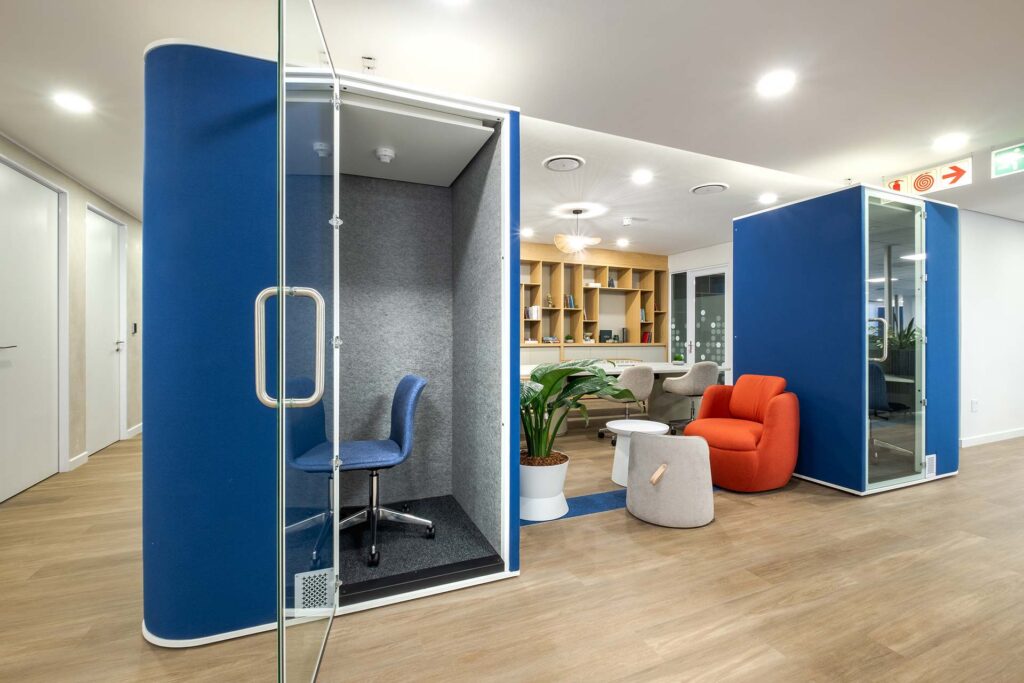
- A range of space types: Collaborative hubs, private rooms, pop-in phone booths, quiet zones—even wellness rooms for rest. These support focused work, social time, or retreat, depending on the task and energy level.
- Spatial zoning that makes sense: Clear layouts help people find their ideal spot for any given task. For example, in the European Investment Bank office, our zoned spaces (private offices, breakaway areas) cut down on confusion and let people self-select where to work.
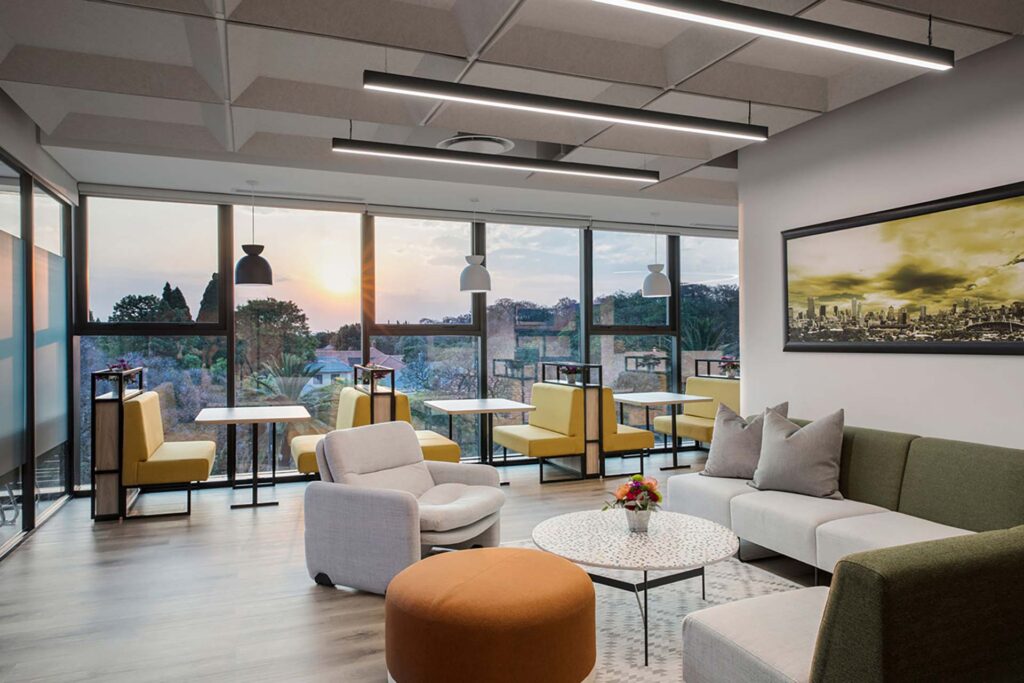
- Sensory comfort: We use calming colours, biophilic design (lots of plants and natural materials), soft finishes, and clear visual lines. This calms overstimulation. In our BASF project, acoustic pods and soft palettes made a noticeable difference in day-to-day comfort.
- User autonomy: When employees can choose their space, they’re less stressed and more engaged.

Design features that drive neuro-inclusion
Intentional fit out details—like focus rooms and better lighting—support cognitive comfort and productivity.
Some of the most powerful office fit out choices are simple:
- High-focus zones: Quiet rooms, acoustic pods, and breakaway spaces are now part of most Trend Group projects. These cut distractions and help all team members think clearly.
- Acoustic design for wellbeing: Poor sound design can affect stress as much as bad furniture. Our solutions combine ceiling treatments, sound-absorbing furniture, and smart planning to keep quiet and social areas separate.
- Layered lighting: We prioritise big windows and natural light for mood support. But we also add adjustable, glare-free lighting for those with sensory sensitivities—a proven boost to performance (see more).
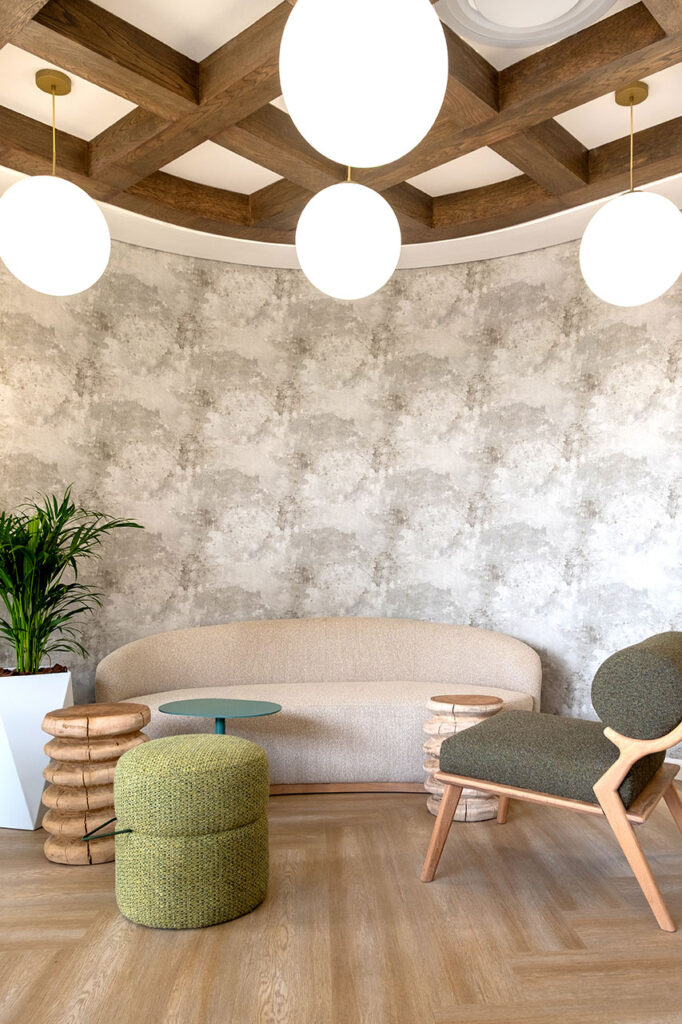
- Thoughtful materials: Soft finishes, adaptable furniture, and visual clarity make every space feel more welcoming.
Even simple touches—like adjustable chairs, clear wayfinding, and places for movement—can help with sensory comfort. That’s why we always start our fit out projects with both data and empathy.
Balancing energy and calm in a future-ready office
Neuro-inclusive office fit out isn’t just about giving everyone a quiet booth. Work involves both collaboration and focus—sometimes in rapid shifts. We design spaces that let people move easily between tasks and moods.
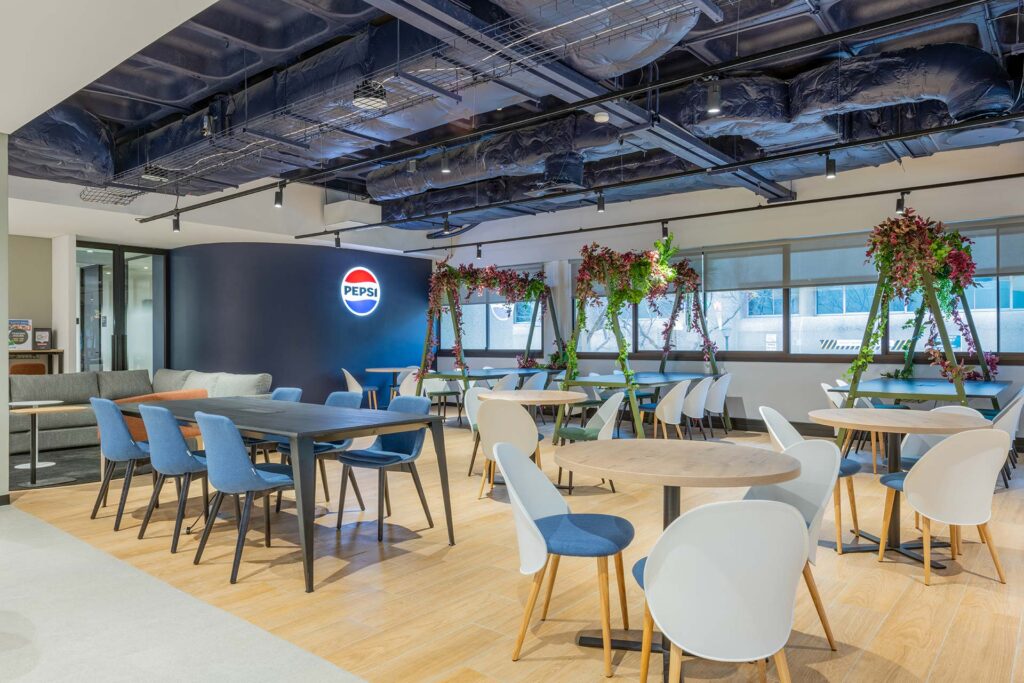
Take our work for PepsiCo and PPS. Both spaces feature open-plan collaborative areas linked to quieter meeting rooms and flexible breakaway zones. The PPS project even includes a dedicated wellness room for stepping back and resetting, which employees use for both short breaks and to manage sensory overload.
The result? Staff are more energised, less stressed, and better able to deal with the ups and downs of real work.
How to put neuro-inclusion into practice
Lasting change comes from combining good design, leadership, and ongoing education.
The best neuro-inclusive workplaces start at the top and filter into policy and practice. Key strategies include:
- Training leaders and HR teams to recognise and support cognitive diversity
- Providing universal supports (such as text-to-speech options or flexible schedules) as a standard, not a special exception
- Forming employee resource groups and holding regular conversations about inclusion, not just annual events
- Ongoing office fit out improvements: as teams evolve, so should the workspace
- Sharing success stories to normalise neurodiversity
At Trend Group, we include these steps in our consulting, fit out, and change management processes. The outcome? Everyone—not just those with a diagnosis—gets a workspace that truly supports them.
Real-life results: Trend Group’s approach in action
We put these ideas to the test every day in our projects:
- BASF: Purposeful zoning and high-focus pods separate collaborative energy from quiet work—office satisfaction scores improved within months.
- European Investment Bank: Predictable layouts and choice-focused zoning cut confusion and cognitive load, helping teams settle in quickly.
- PPS: The wellness room and dynamic zone layout gave people more control over their day—a feature used by staff from all departments.
These outcomes are the result of close client collaboration, observation, and ongoing iteration. We’ve learned that when design listens, everyone benefits.
Looking forward: The business case for future-ready, neuro-inclusive workplaces
The nature of work keeps changing. Hybrid models, skills-based hiring, and an ongoing focus on mental health mean the office fit out must keep evolving. Neuro-inclusive design helps businesses by:
- Attracting and retaining top talent (especially as “one-size-fits-all” offices fall out of favour)
- Boosting long-term engagement and energy
- Building resilience for business challenges—because diverse thinking helps organisations respond more creatively
At Trend Group, we see neuro-inclusion not as a passing trend, but as the next evolution of what great workspace design should always do: support every mind, every role, every day.
Frequently Asked Questions
Why is neuro-inclusive design becoming important in modern workplaces?
Neuro-inclusive design is gaining importance because workplaces are increasingly recognising the need to support different ways of thinking and interacting. By designing environments that cater to a broader range of cognitive experiences, organisations can improve performance, wellbeing, and employee engagement.
How does accommodating cognitive diversity benefit organisations?
Accommodating cognitive diversity helps organisations by increasing productivity, reducing cognitive overload and fatigue, and enhancing overall job satisfaction. It creates a workplace environment where all employees—not just those who are neurodivergent—can perform at their best.
What are the key features of a neuro-inclusive workplace?
Key features of neuro-inclusive workplaces include diverse spaces such as collaborative zones, quiet areas, informal settings, and private rooms; high-focus environments like phone booths and acoustic pods; thoughtful acoustic and lighting design; materiality and sensory considerations; and spatial zoning that offers user autonomy and choice.
How does lighting impact neuro-inclusive workplace design?
Lighting plays a critical role in neuro-inclusive workplace design by supporting circadian rhythms and overall wellbeing. Effective design includes maximising natural light, layered lighting strategies, and human-centric systems that mimic natural daylight patterns, helping reduce eye strain and fatigue for individuals with sensory sensitivities.


A new standard in office fit out is here
Neuro-inclusive workplaces are not a luxury—they’re a necessity for future-focused organisations. By intentionally designing for cognitive diversity, you support higher productivity, better wellbeing, and stronger talent retention—all while shaping a place where every person feels valued.
If you’re ready to make your workspace a tool for lasting performance and culture, let’s talk. At Trend Group, our office fit out solutions and consulting blend insight, empathy, and innovation—helping you create environments where everyone can do their best work.
Ready to set a new standard for your team? We would love to partner with you for your next office fit out journey – Contact Us